

Laboratory Testing for China Orders: Plan the Evidence
Laboratory testing should answer a defined product question.
Laboratory testing should answer a defined product question. Start with the requirement and the decision the result will support, rather than asking a laboratory to test everything. Testing an unidentified sample against an unsuitable method can produce a detailed report that does not answer your buying question.
Decide when a test is useful
Development testing can help investigate a design or material question before tooling or bulk production. Pre-production testing can assess the proposed configuration. Shipment-related testing may be appropriate when a requirement must be tied to the actual production lot. These purposes are different: a development sample does not automatically represent a later shipment.
Ask the relevant product specialist which requirements apply to the intended use and destination. Establish the test method, product configuration, conditioning, sample selection and decision criteria before commissioning work. If a requirement or acceptance rule is unresolved, record Not established and resolve it rather than choosing a convenient result afterward.
Identify what you send
Give each sample an identity linked to the product variant, drawing and material revision. Record who selected it, where it came from and what production stage it represents. Include accessories, packaging or instructions where they affect the intended assessment. Ask the laboratory what quantity and preparation it needs for the agreed work; there is no universal sample count.
Retain selection records, photographs and transfer details where traceability matters. State known differences between the sample and the planned product. Do not describe a supplier-selected prototype as a randomly selected production sample.
Agree the work in writing
The quotation should identify methods, scope, subcontracted work, required information and report deliverables. Verify competence and, where relevant, accreditation scope for the actual method. Ask how the laboratory handles missing information, unsuitable samples and requested scope changes.
Agree whether the report will state only results or also a conformity decision, and what decision rule applies. Laboratory fees, turnaround and outcomes are Not established for an unspecified order. Obtain a written quotation instead of using another buyer’s experience as a promise.
Read the full report
Check the issuer, sample description, identifiers, receipt details, methods, deviations and results. Read limitations and attachments. Confirm that the report refers to the intended revision and that any conclusion covers the requested scope. A pass on one assessed characteristic is not a general product approval.
If a result fails or is unclear, preserve the report and investigate the cause. Document the design or material change, then agree whether retesting is appropriate and which samples represent the change. Keep the golden sample record separate: a controlled physical reference is not a substitute for a laboratory result. This guide does not establish a test result, recommend a laboratory or certify a product.
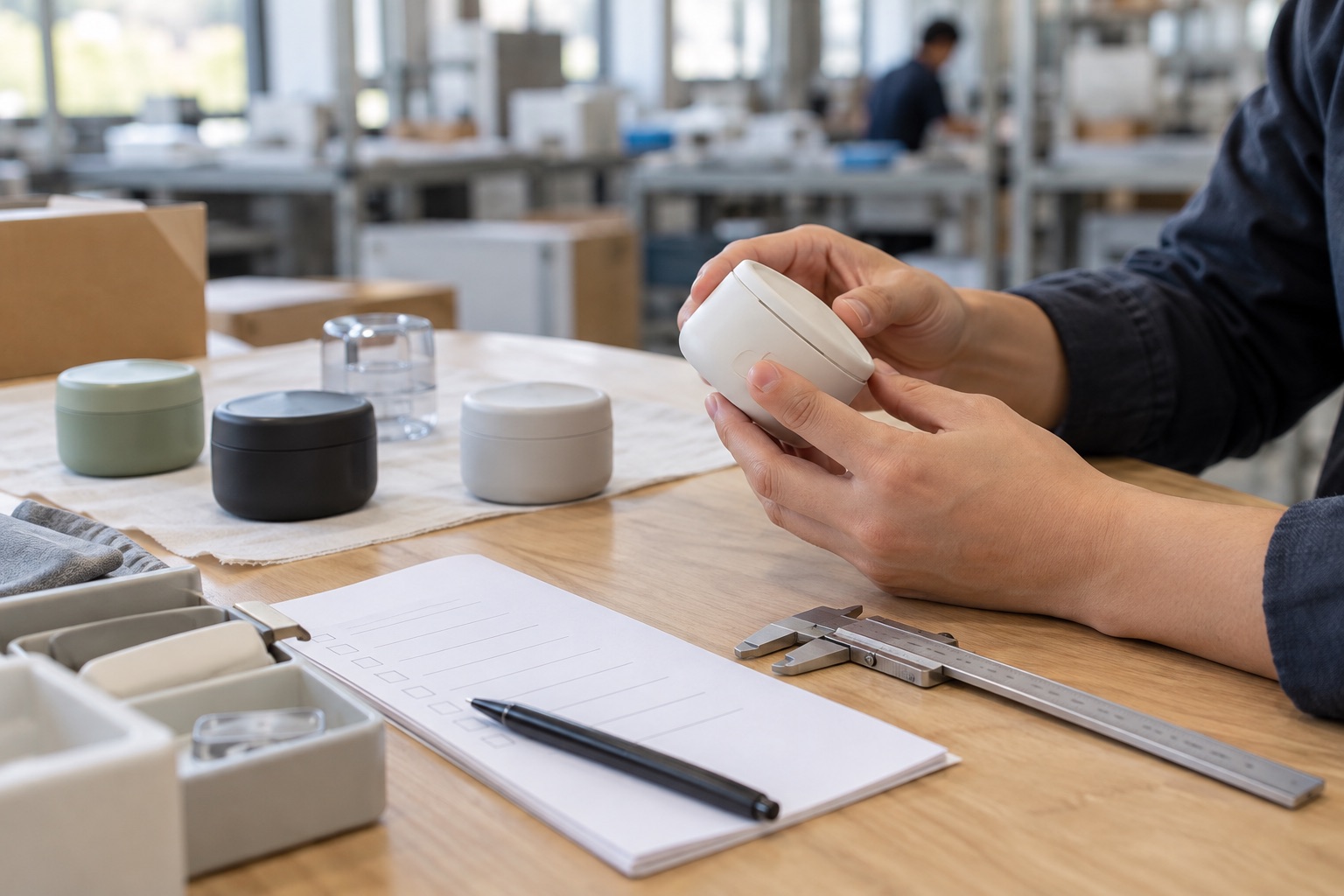
Sample and test-plan review
Related guides
Product certification buyer check · Golden sample approval
Sources
- ILAC — Signatory search
- CPSC — Testing and Certification
Sourcing information earns its value when it is verified, compared and turned into a decision.
Questions & discussion
Share a question or a useful experience about this guide. Comments appear immediately. Your name and comment are public. Email is optional and stays private; reply emails are not enabled yet. Comment privacy.